


Key Challenges and Industry Responses
1. Navigating Trade Barriers and Regulatory Compliance
Stricter import regulations in major markets (e.g., the U.S. and EU) have increased compliance costs and delayed shipments.
Enhanced Quality Control: Many manufacturers have obtained international certifications (e.g., USDA, EU Organic, GlobalG.A.P.) to meet stringent safety standards.
Localized Testing & Certification: Some exporters now conduct pre-shipment testing in destination countries to avoid rejections.
Diversification to Less Regulated Markets: Emerging markets in Southeast Asia, the Middle East, and Latin America are being targeted to reduce reliance on Western economies.
2. Supply Chain Disruptions & Logistics Bottlenecks
The pandemic and geopolitical tensions caused shipping delays, container shortages, and soaring freight costs.
Multi-Channel Logistics: Companies are using a mix of sea, air, and rail freight to ensure timely deliveries.
Strategic Stockpiling: Some exporters now maintain inventory in overseas warehouses to mitigate supply chain risks.
Digital Supply Chain Management: Blockchain and IoT are being used to enhance transparency and reduce delays.
Future Growth Prospects
1. Expanding into Emerging Markets
While the U.S. and EU remain dominant, markets like Southeast Asia, Latin America, and the Middle East show strong growth potential due to rising pet ownership and disposable incomes.
2. The Rise of Premium and Smart Pet Products
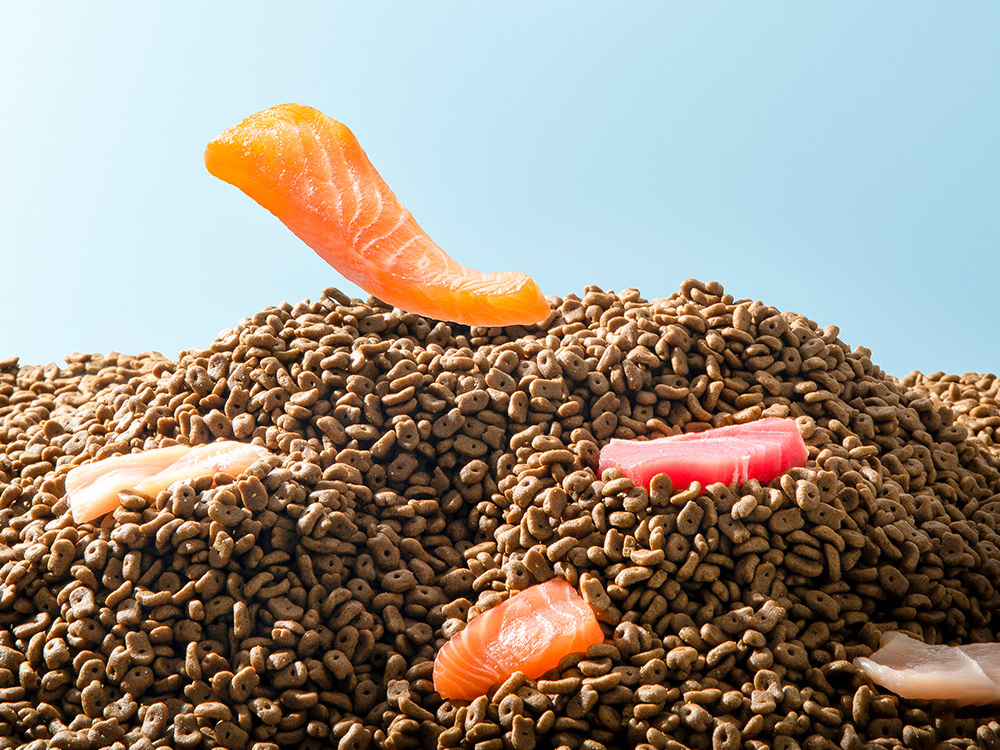
Organic & Functional Pet Food: Demand for high-protein, grain-free, and health-focused pet nutrition is growing.
Smart Pet Tech: GPS trackers, automatic feeders, and AI-powered pet cameras are becoming popular in developed markets.
3. Sustainability as a Competitive Edge
Biodegradable & Recyclable Products: Brands using sustainable materials (bamboo, cornstarch-based plastics) gain favor in eco-conscious markets.
Carbon-Neutral Initiatives: Some exporters are adopting green manufacturing practices to align with global ESG trends.
Looking ahead, the industry’s growth will likely be driven by:
1)Premiumization (high-quality, functional, and smart pet products)
2)Market Diversification (expanding beyond traditional Western markets)
3)E-Commerce & Direct Branding (reducing reliance on intermediaries)
4)Sustainability & Compliance (meeting global environmental standards)
With strategic adjustments and continued investment in R&D, China’s pet export sector is poised for sustained success in the evolving global marketplace.
RECOMMENDATION
Crown Pet Food
Professional • Cost competitive • Flexible
--Your reliable OEM pet food partner in China
CONTACT US
First class quality service and professional after-sales team.
Get in Touch
*We respect your confidentiality and all information are protected.